Abdul: Making a Statement with Bold Decorative Display Typography
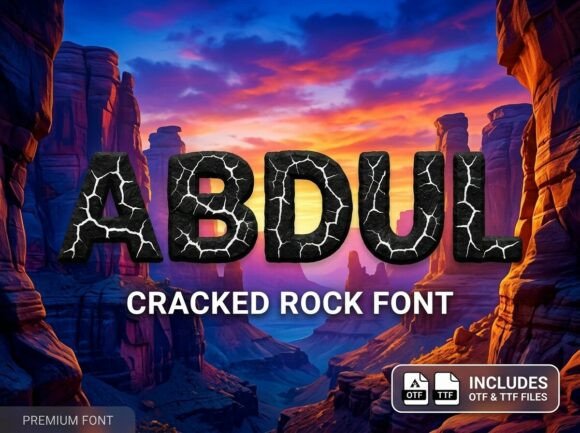
When you're working on a project that demands immediate attention, the typeface you choose does more than just convey words—it sets the entire mood. Abdul is a premium font designed specifically for these high-impact moments. It isn't a quiet workhorse meant for body text; it is a stunning decorative display font crafted to be the center of attention. With unique artistic elements and a strong visual personality, Abdul offers creators a way to break away from the ordinary and inject genuine artistic flair into their work.
Unlike standard serif or sans serif fonts that prioritize uniformity, Abdul embraces visual drama. Its design features intricate details that make every letter feel like a piece of art. This makes it a standout choice for anyone looking to create a distinct brand identity or a memorable visual hook. Whether you are designing a logo, crafting a headline for a magazine spread, or creating packaging that needs to pop off the shelf, this typeface brings a polished yet daring aesthetic.
Where Decorative Typography Shines
Understanding where a font like Abdul fits into your workflow is key to using it effectively. Because it is a display font, it excels in scenarios where text needs to be read quickly but remembered forever. Think of it as the visual equivalent of a firm handshake—it creates an immediate impression of professionalism and style.
Here are the most effective applications for a creative font like Abdul:
- Logo Design and Branding: A strong logo needs a strong typeface. Abdul’s unique letterforms ensure that your brand mark won’t look generic. It is particularly effective for fashion labels, boutique agencies, or artistic studios that want to project a modern, avant-garde image.
- Editorial Design: In magazines or blog headers, typography is often the main visual element. Using Abdul for pull quotes or article titles can break up the monotony of standard text, guiding the reader's eye to the most important information.
- Packaging Design: On a crowded shelf, packaging design relies on hierarchy. Abdul works beautifully for product names or taglines, helping consumers identify the product's personality—whether it's luxurious, edgy, or artistic—before they even read the description.
- Social Media Graphics: In the fast-scrolling environment of social media, you have milliseconds to grab attention. Bold, decorative typography is a proven strategy for stopping the scroll. Abdul’s strong visual weight makes it perfect for Instagram posts, Pinterest pins, and YouTube thumbnails.
The Power of All-Caps and Visual Hierarchy
One of the defining characteristics of Abdul is that it is an ALL-CAPS typeface. This is a deliberate design choice intended for high-impact visuals. Uppercase letters generally have a more geometric and uniform structure, which allows for intricate artistic detailing without compromising the visual flow. However, this also means it is not suitable for long-form body copy or anywhere you need to distinguish between sentence case and capitalization.
When you use an all-caps font, you are inherently shouting your message—but in a controlled, artistic way. This creates a strong visual hierarchy. For example, if you are designing a poster, you might use Abdul for the main event title and pair it with a clean, minimalist sans serif font for the date and location details. This contrast ensures that the most important information is the most visually interesting, while the secondary details remain legible and functional.
Using a font pairing strategy is essential here. Because Abdul is rich in personality, it balances well against more neutral fonts. Imagine pairing it with a geometric sans serif like Montserrat or a classic serif like Garamond. The contrast allows Abdul to shine without overwhelming the viewer, creating a sophisticated and professional layout.
Practical Considerations for Designers and Creators
Choosing a premium font is an investment in your project's quality. When you acquire Abdul, you receive both OTF and TTF files, ensuring compatibility across almost all design software and operating systems. The OTF (OpenType Font) file is particularly valuable for professional designers using software like Adobe Illustrator, InDesign, or Photoshop, as it often contains more advanced typographic features.
However, practical application requires testing. Before finalizing a design, it is always best practice to test how the font renders in your specific environment. Here is a quick checklist for evaluating if Abdul is the right fit for your project:
- Check the Context: Are you writing a blog post or designing a hero banner? If you need lowercase letters for readability in a paragraph, Abdul is not the tool for that job. If you need a striking headline, it is a perfect match.
- Review Licensing: Always ensure the commercial font license covers your intended use. Whether you are using it for a client's logo, merchandise, or digital advertising, confirming the licensing terms protects you legally.
- Test Scalability: Decorative fonts often look different at small sizes compared to large ones. Test Abdul at the size you intend to use it to ensure the "artistic elements" remain crisp and do not become visual noise.
Ultimately, Abdul is a tool for expression. It bridges the gap between modern typography and artistic illustration. For entrepreneurs, bloggers, and designers who want to move beyond safe, standard choices, it offers a way to build a brand identity